
If you’ve ever typed quickly and paused for a second wondering, “Is it writing or writting?” you’re not alone. This tiny spelling confusion shows up everywhere—school assignments, social media posts, emails, and even professional documents. At first glance, the difference seems minor, but in English writing, even a single extra letter can change how polished and credible your communication appears.
The truth is simple but important: only one spelling is correct, and the other is a common mistake. Yet the reason people keep mixing them up is rooted in pronunciation habits, spelling rules, and how our brains process language while typing quickly.
In this guide, you’ll not only learn the correct spelling but also understand why the mistake happens, how to remember it forever, and how to avoid similar errors in the future. By the end, “writing vs writting” will never confuse you again.
Correct spelling of writing explained clearly

- Writing is the accepted spelling in modern English and appears in all major dictionaries 📘.
- Writting is a common misspelling that comes from confusion about double letters 🤔.
- English spelling rules help explain why writing keeps one t 🧠.
- The root word write does not double the t when adding ing ✍️.
- Learning this rule builds confidence in daily communication 🌱.
- Clear spelling strengthens your personal and professional image 🌟.
- Correct usage helps readers focus on your message, not mistakes 💬.
- Writing connects ideas smoothly without mental speed bumps 🚦.
- Knowing the right form saves time during editing ⏱️.
- This clarity helps students, bloggers, and professionals alike 🎓.
- Accurate spelling supports strong first impressions 🤝.
- Language consistency builds trust with your audience 🧩.
- Writing appears in books, articles, and academic work 📚.
- Spellcheck tools also recognize writing as correct 🖥️.
- Mastering this word removes a frequent source of doubt 😊.
Why writting feels right but is actually wrong

- Writting looks logical because many English words double letters 🔍.
- Words like running create a misleading pattern 🏃.
- Write ends with a silent e that drops before ing ✂️.
- The dropped e changes the visual shape of the word 👀.
- No rule supports doubling the t in this case 📏.
- Muscle memory can trick fast typists ⚡.
- Repetition of the error online spreads confusion 🌐.
- Social media shortcuts increase spelling mistakes 📱.
- Understanding the rule removes the illusion 🪄.
- Awareness turns habit into skill 🛠️.
- Learning once prevents years of small errors 🧠.
- Confidence grows when logic replaces guesswork 🌼.
- Readers notice accuracy even if they do not say it 👓.
- Correct spelling shows respect for language 💖.
- Choosing writing reflects care for clear expression 🌈.
Simple rule to remember writing not writting
- Drop the silent e before adding ing to write 🧩.
- Do not double the t because the stress falls earlier 🔊.
- Say the word slowly to hear its natural sound 🎧.
- Visualize write transforming smoothly into writing 🎨.
- Connect the rule to similar words like making 🔗.
- Practice the change a few times to lock it in 🔒.
- Teach the rule to a friend to reinforce memory 🤗.
- Use flashcards for quick recall 🗂️.
- Write sentences daily using the correct form 📝.
- Notice how natural writing looks on the page 👁️.
- Trust established dictionaries for confirmation 📖.
- Ignore autocorrect myths and focus on rules 🧠.
- Confidence grows with each correct use 🌟.
- This single rule solves many ing confusions 🧭.
- Calm repetition turns knowledge into instinct 🕊️.
Writing meaning in everyday language

- Writing means putting thoughts into readable words 🧠.
- It includes typing, handwriting, and digital notes 💻.
- Writing carries emotion, intention, and meaning ❤️.
- It helps people share stories and ideas 🌍.
- Writing builds bridges between minds 🌉.
- It records memories that matter 📸.
- Writing supports learning and growth 🌱.
- It shapes opinions and sparks change 🔥.
- Writing appears in texts, emails, and books 📬.
- Clear writing saves time and avoids confusion ⏳.
- It gives structure to creative thinking 🎭.
- Writing helps feelings find safe expression 💞.
- It supports careers and education 🎯.
- Writing gives voice to quiet thoughts 🌙.
- Strong writing creates lasting impact 🌠.
Common situations where people doubt the spelling

- While sending a heartfelt message to a friend 💌.
- During exam answers under time pressure ⏰.
- When publishing a blog post online 📰.
- While writing professional emails at work 💼.
- During chat conversations with loved ones 💬.
- When posting captions on social media 📸.
- While drafting resumes and cover letters 📄.
- During creative writing sessions 🎨.
- When typing quickly on a phone keyboard 📱.
- While editing academic papers 📚.
- During note taking in meetings 🗒️.
- When helping children with homework 🧒.
- While learning English as a second language 🌍.
- During late night writing tasks 🌙.
- When confidence feels shaky for a moment 🌧️.
Writing vs writting in academic and professional use
- Academic papers always use writing as standard 🎓.
- Professors expect correct spelling without exception 🧑🏫.
- Professional emails reflect attention to detail 📧.
- Reports with errors reduce credibility 📉.
- Writing accuracy supports career growth 🚀.
- Employers value clear written communication 🤝.
- Business documents rely on trust and clarity 🏢.
- Writing skills influence performance reviews ⭐.
- Correct spelling avoids misunderstandings ⚠️.
- Academic journals reject careless errors ❌.
- Writing reflects discipline and learning 📘.
- Professional branding starts with words 🏷️.
- Accuracy shows respect for readers 🙏.
- Writing confidence improves productivity ⚙️.
- Correct usage builds long term reputation 🏆.
Emotional impact of confident writing
- Confident writing brings peace of mind 🌸.
- It allows emotions to flow without fear 💖.
- Friends feel warmth through clear words 🤗.
- Love messages feel more sincere 💕.
- Care shows through thoughtful expression 🌷.
- Confidence reduces anxiety while typing 😌.
- Writing freely feels like a deep breath 🌬️.
- Words land gently on the reader’s heart 💓.
- Self expression becomes joyful again 🎶.
- Confidence removes second guessing 🚫.
- Writing feels natural and comforting 🛋️.
- Emotional honesty shines through clarity ✨.
- Readers feel understood and valued 🤍.
- Confidence strengthens human connection 🔗.
- Writing becomes an act of kindness 🌼.
How children and learners can master writing spelling
- Teach the base word write first 🧒.
- Explain the silent e rule with examples 🔤.
- Use fun games to practice spelling 🎲.
- Encourage reading to see correct forms 📖.
- Praise effort to build confidence 🌟.
- Use visual aids like charts 🖼️.
- Practice daily with short exercises 📝.
- Correct gently without embarrassment 💗.
- Repeat rules in simple language 🗣️.
- Use storytelling to reinforce memory 📚.
- Connect spelling with sounds 🎵.
- Make learning relaxed and playful 🧸.
- Avoid pressure to prevent fear 😇.
- Celebrate small wins together 🎉.
- Build habits that last a lifetime 🌈.
Writing mistakes caused by fast typing
- Speed often skips careful thinking ⚡.
- Fingers follow patterns instead of rules 🖐️.
- Autocomplete can suggest wrong forms 🤖.
- Small screens increase errors 📱.
- Rushing reduces attention to detail 🏃.
- Fatigue affects spelling accuracy 😴.
- Multitasking divides focus 🔀.
- Fast chats encourage shortcuts 💬.
- Proofreading fixes most mistakes 🔍.
- Slowing down improves clarity 🐢.
- Pausing builds better habits ⏸️.
- Accuracy saves time later ⌛.
- Writing calmly reduces errors 🧘.
- Awareness changes behavior 🌟.
- Intentional typing builds confidence 🧠.
Helpful memory tricks for writing spelling
- Think of write smiling as it becomes writing 😊.
- Picture the e gently stepping aside 🚪.
- Say write then writing out loud 🔊.
- Link the rule to making and taking 🔗.
- Use sticky notes for reminders 🟨.
- Create a rhyme to remember 🎵.
- Visualize the word in bold letters 🔠.
- Practice with daily journaling 📓.
- Associate writing with positive feelings 💖.
- Teach someone else the rule 🧑🤝🧑.
- Draw the word to lock memory 🎨.
- Use spaced repetition techniques ⏳.
- Review mistakes without judgment 🌼.
- Build a personal word list 🗃️.
- Smile when you get it right 😄.
Writing clarity improves communication
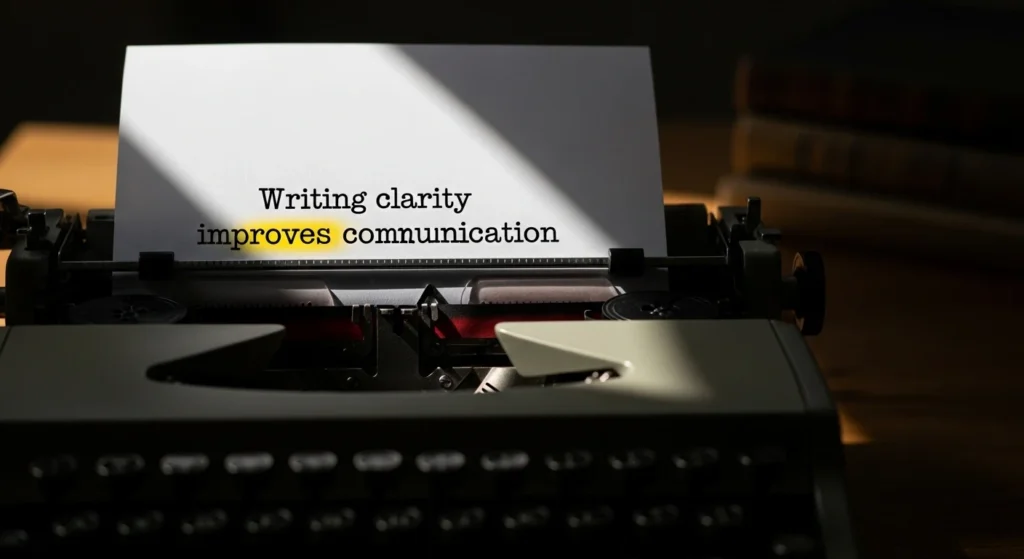
- Clear writing avoids misunderstandings 🧭.
- Readers grasp ideas faster 🚀.
- Messages feel respectful and thoughtful 🤝.
- Writing clarity builds trust 🛡️.
- Good spelling supports strong tone 🎶.
- Clear words reduce follow up questions ❓.
- Writing accuracy saves energy 🔋.
- Communication feels smoother 🌊.
- Teams work better with clarity 👥.
- Relationships grow through understanding 💞.
- Writing well shows care for others 🌷.
- Clear expression reduces conflict 🕊️.
- Readers feel confident in your message 📬.
- Writing clarity boosts influence 🌟.
- Strong communication shapes success 🏁.
the Writing confidence for non native English users
- Learning rules builds steady confidence 🌱.
- Mistakes are part of growth 🌼.
- Focus on progress not perfection 🎯.
- Writing improves with daily practice 📆.
- Reading helps internalize correct forms 📖.
- Supportive learning removes fear 🤗.
- Simple rules reduce confusion 🧩.
- Writing becomes enjoyable over time 😊.
- Confidence grows with understanding 🧠.
- Language learning is a brave journey 🛤️.
- Celebrate each improvement 🎉.
- Writing accuracy boosts self esteem 💪.
- Clear rules empower learners 🔓.
- Patience leads to mastery 🕰️.
- Writing becomes a trusted skill 🌟.
Writing in digital age and modern English
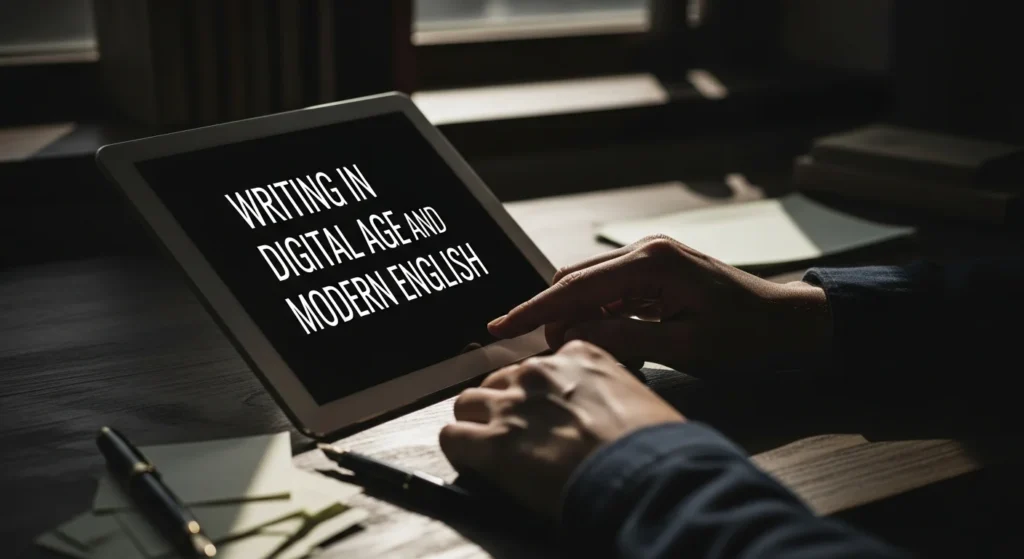
- Digital writing moves fast today ⚙️.
- Correct spelling still matters deeply 💡.
- Online content reflects personal brand 🏷️.
- Search engines favor clarity 🔍.
- Writing accuracy boosts credibility 🌐.
- Content quality affects engagement 📊.
- Correct words improve readability 👁️.
- Writing supports SEO success 🚦.
- Readers trust polished content 🧲.
- Digital communication shapes perception 🖥️.
- Writing skill stands out online ✨.
- Accuracy reduces bounce rates 📉.
- Clear spelling aids voice assistants 🎙️.
- Writing reflects professionalism 💼.
- Language care shows respect 🌍.
Never get confused between writing and writting again
- Remember only writing is correct forever 🔒.
- Writting has no place in standard English 🚫.
- Trust the silent e rule 🧠.
- Practice makes certainty strong 💪.
- Confidence removes hesitation 😊.
- Writing flows without stopping 🏞️.
- Your mind stays focused on meaning 🎯.
- Errors fade with understanding 🌅.
- Calm knowledge replaces doubt 🕊️.
- Writing becomes second nature 🌱.
- Readers feel your confidence 🤍.
- Language feels friendly again 🤝.
- Expression feels safe and free 💬.
- Writing supports heartfelt connection 💖.
- You never pause at this word again 🌟.
Conclusion
The confusion between “writing” and “writting” is a small but common mistake that highlights how easily English spelling rules can be misinterpreted. The correct form, writing, follows a simple and consistent rule that does not require doubling the letter “t.”
Understanding why the mistake happens—through pronunciation, typing habits, and grammar patterns—helps you avoid it permanently. More importantly, mastering small details like this strengthens your confidence and communication skills in everyday life.
In the end, good writing is not just about expressing ideas—it’s about expressing them clearly, correctly, and confidently.
FAQs
What is the correct spelling between writing and writting?
Writing is the correct spelling, and writting is a common mistake.
Why do people often spell writing incorrectly?
People follow patterns from other words and forget the silent e rule.
Does writing ever have a double t?
No, writing never uses a double t in standard English.
How can I remember the correct spelling easily?
Remember to drop the silent e from write and add ing.
Is correct spelling important in casual messages?
Yes, correct spelling builds clarity, confidence, and respect even in casual communication.