
Language can feel like a warm conversation between friends, where small details carry love,
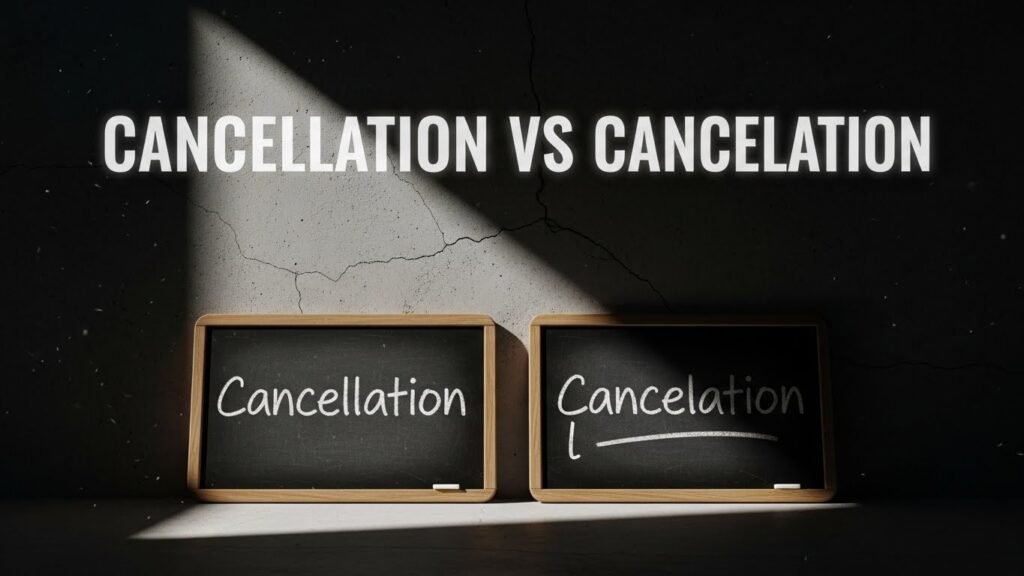
care, and understanding. When we talk about cancellation vs cancelation,
we are not just debating spelling, we are sharing clarity, confidence, and kindness with one another.
Words connect hearts, reduce confusion, and help us feel supported in writing and communication. This gentle guide wraps grammar with friendship, trust, and comfort, so you never feel unsure again when choosing the right form.
Let us walk together through meaning, usage, and emotional reassurance, so your words
always feel right, clear, and caring.
Understanding cancellation vs cancelation meaning
- Cancellation vs cancelation highlights spelling choices that affect clarity and confidence 😊.
- Cancellation feels familiar and widely accepted in global English usage 🌍.
- Cancelation exists but appears less often in professional writing ✍️.
- Writers choose cancellation to avoid confusion and errors 🤝.
- Readers trust spelling that feels consistent and natural 💖.
- This difference matters in exams, blogs, and formal documents 📘.
- Correct spelling builds emotional trust with your audience 💬.
- Language choices reflect care for readers and friends 🫶.
- Understanding both forms reduces anxiety while writing 🌈.
- Clear spelling supports smooth communication everywhere 📢.
- Grammar confidence strengthens personal expression 🌟.
- Choosing wisely shows respect for language and people 🙏.
- Spelling clarity saves time and prevents misunderstandings ⏰.
- This topic blends learning with emotional ease 💞.
- Knowledge empowers friendly and confident writing 🚀.
Cancellation or cancelation spelling comparison
- Cancellation vs cancelation compares double L and single L usage 🔍.
- Cancellation uses double L before the suffix ation 📚.
- Cancelation drops one L and feels less common 🤔.
- American English prefers cancellation in most cases 🇺🇸.
- British English also favors cancellation strongly 🇬🇧.
- Spellcheck tools usually suggest cancellation automatically 💻.
- Professional editors recommend cancellation for safety 🛡️.
- Consistency in spelling improves writing flow 🧠.
- Readers notice mistakes even when meaning stays clear 👀.
- Correct spelling supports emotional comfort 💗.
- Small spelling choices show attention to detail 🧩.
- Choosing the standard avoids awkward corrections 😌.
- Double L spelling feels balanced and familiar ⚖️.
- Writers feel calmer when they choose the right form 🌿.
- This comparison builds lasting grammar confidence 🏆.
Cancellation vs cancelation in American English
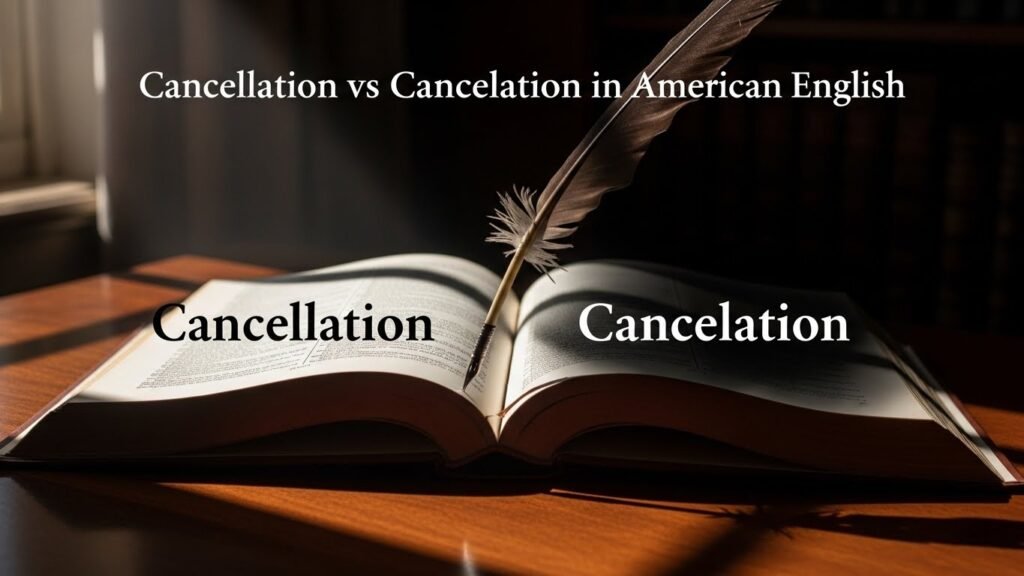
- Cancellation vs cancelation in American English favors cancellation 🇺🇸.
- American dictionaries list cancellation as primary 📖.
- Schools teach cancellation as the correct spelling 🎓.
- Academic papers consistently use cancellation 📑.
- Media outlets rely on cancellation for clarity 📰.
- Legal documents avoid cancelation to prevent doubt ⚖️.
- Professional emails look polished with cancellation 📧.
- Writers gain credibility with standard spelling 🌟.
- Readers expect cancellation in US content 👥.
- Consistent usage builds trust and authority 🤝.
- Cancelation may appear but feels outdated 🕰️.
- Editors often correct cancelation automatically ✂️.
- Choosing cancellation supports reader comfort 💕.
- American usage values clarity and consistency 📏.
- This preference simplifies writing decisions 🧘.
Cancellation vs cancelation in British English
- Cancellation vs cancelation in British English clearly favors cancellation 🇬🇧.
- British spelling traditions prefer double consonants 🏛️.
- Cancellation aligns with words like travelling and modelling ✈️.
- UK schools teach cancellation as standard 📚.
- British publications rarely use cancelation 🗞️.
- Double L spelling feels natural in UK writing ✍️.
- Readers trust familiar spelling patterns 🤍.
- Consistency enhances professional tone 🎯.
- British grammar values structure and clarity 🧩.
- Cancellation supports linguistic harmony 🎼.
- Writers avoid confusion with standard spelling 🌼.
- Correct usage shows respect for readers 🙌.
- British English influences global standards 🌍.
- Using cancellation feels safe and accepted 🔒.
- This choice strengthens international communication 🌐.
Why cancellation is more accepted

- Cancellation vs cancelation shows why one form dominates 🌟.
- Cancellation appears more often in dictionaries 📕.
- Language evolves toward clarity and comfort 🌱.
- Writers prefer what readers recognize easily 👀.
- Cancellation reduces proofreading stress 😌.
- Consistent spelling aids memory retention 🧠.
- Editors standardize usage for harmony 🧑💼.
- Readers feel confident with familiar words 💖.
- Cancellation aligns with spelling patterns 🧩.
- Popular usage shapes language norms 🗣️.
- Trust grows when spelling feels right 🤝.
- Educational systems reinforce cancellation 🎓.
- Clear norms reduce grammar anxiety 🌸.
- Writers focus more on meaning than spelling ✨.
- Acceptance creates linguistic peace ☮️.
Cancelation spelling explained gently
- Cancellation vs cancelation includes the lesser-used cancelation 🌿.
- Cancelation removes one L before ation 🔤.
- Some style guides allow cancelation technically 📘.
- Usage remains rare and often corrected ✂️.
- Readers may pause when seeing cancelation 🤨.
- That pause can break emotional flow 💔.
- Writers often regret using cancelation 😅.
- Consistency matters more than technical allowance 🧠.
- Cancelation feels unfamiliar to many readers 🧭.
- Professional tone suffers slightly 📉.
- Clarity should always come first 🌟.
- Writers choose safer spelling instinctively 🛟.
- Cancelation may appear in informal notes 📝.
- Formal writing avoids it carefully 🏛️.
- Awareness helps writers choose wisely 🌈.
Cancellation vs cancelation in formal writing

- Cancellation vs cancelation matters deeply in formal writing 🏢.
- Academic work demands cancellation 📖.
- Business documents rely on standard spelling 💼.
- Legal texts avoid ambiguity strictly ⚖️.
- Formal tone needs reader trust 🤝.
- Cancellation ensures professionalism 🎩.
- Editors expect consistency throughout 📏.
- Mistakes reduce authority and impact 📉.
- Proper spelling shows respect 🙏.
- Readers feel secure with familiar words 🫶.
- Formal writing values clarity over creativity 📐.
- Cancellation supports global understanding 🌍.
- Professionals choose what feels correct 💡.
- Grammar accuracy boosts confidence 🌟.
- Formal success starts with small details 🧩.
Cancellation vs cancelation in informal text
- Cancellation vs cancelation also appears in casual writing 💬.
- Text messages often ignore strict rules 📱.
- Friends still recognize cancellation more easily 😊.
- Informal blogs benefit from clarity 📝.
- Social posts look cleaner with standard spelling 🌈.
- Readers skim fast and notice errors 👀.
- Cancellation prevents distractions 🚫.
- Friendly tone still needs clear words 💖.
- Consistency builds loyal readers 🤗.
- Informal writing thrives on trust 🌟.
- Cancelation may confuse some readers 🤔.
- Clear spelling supports emotional flow 💕.
- Writers connect better with accuracy 🤝.
- Casual does not mean careless 🌼.
- Good habits grow from small choices 🌱.
Emotional impact of correct spelling
- Cancellation vs cancelation affects emotional connection ❤️.
- Correct spelling shows care for readers 🫶.
- Readers feel respected and valued 🤍.
- Trust grows with attention to detail 🤝.
- Errors can feel distracting or cold ❄️.
- Warm writing flows without interruption 🌊.
- Cancellation supports smooth reading 😊.
- Emotional tone stays gentle and kind 🌸.
- Grammar accuracy shows professionalism 🌟.
- Readers relax when words feel right 😌.
- Confidence shines through correct usage ✨.
- Language becomes a bridge, not a barrier 🌉.
- Careful spelling reflects thoughtful intent 💭.
- Emotional clarity strengthens relationships 💞.
- Words carry love when written well 💖.
Cancellation vs cancelation for students
- Cancellation vs cancelation matters for exams 🎓.
- Teachers mark cancelation as incorrect ❌.
- Students gain marks with cancellation ✅.
- Grammar confidence reduces exam stress 😌.
- Clear rules help learning 🌱.
- Cancellation appears in textbooks 📘.
- Practice builds memory 🧠.
- Correct spelling boosts self-esteem 🌟.
- Students feel proud of accuracy 😊.
- Learning standards simplifies writing 🧩.
- Cancelation causes unnecessary doubt 🤔.
- Teachers appreciate consistency 🍎.
- Academic success starts with basics 🏆.
- Small corrections create big results 📈.
- Students grow confident step by step 🚶.
Cancellation vs cancelation in professional life
- Cancellation vs cancelation influences workplace writing 💼.
- Emails look polished with correct spelling 📧.
- Reports demand standard usage 📊.
- Clients trust accuracy 🤝.
- Professional image depends on details 👔.
- Cancellation avoids embarrassing corrections 😅.
- Managers expect clarity 🎯.
- Written communication shapes careers 🚀.
- Correct spelling shows responsibility 🛡️.
- Colleagues respect careful writers 🙌.
- Cancelation feels careless in offices 🏢.
- Consistency builds brand voice 🧠.
- Professionals rely on familiar norms 📐.
- Confidence improves workplace relationships 💖.
- Success grows from precision 🌟.
How dictionaries treat cancellation vs cancelation
- Cancellation vs cancelation appears differently in dictionaries 📚.
- Most list cancellation as primary 🥇.
- Cancelation appears as a variant occasionally 📖.
- Definitions favor common usage 🧭.
- Dictionaries follow real-world language 🌍.
- Frequency matters more than theory 📊.
- Cancellation dominates written records 🗂️.
- Editors trust dictionary standards 🤝.
- Writers feel secure following them 🛟.
- Language evolves through consensus 🌱.
- Dictionaries guide not confuse 🧠.
- Cancellation ensures alignment with norms 📏.
- Reference tools simplify decisions 💡.
- Cancelation stays secondary 📉.
- Knowledge empowers confident writing 🚀.
Choosing the right spelling with confidence

- Cancellation vs cancelation decisions become easy 🌟.
- Choose cancellation for safety 🛡️.
- Consistency matters more than perfection 🧩.
- Readers appreciate clarity 💖.
- Trust your learning journey 🌈.
- Grammar rules exist to help 😊.
- Confidence improves writing flow 🌊.
- Correct spelling supports strong voice 🎤.
- Writers grow with practice 🌱.
- Fear fades with understanding 😌.
- Cancellation aligns with global norms 🌍.
- Your words deserve clarity 🫶.
- Small choices create big impact ✨.
- Writing becomes joyful again 🎉.
- Confidence makes language warm 💞.
Cancellation vs cancelation final clarity
- Cancellation vs cancelation now feels simple 🌸.
- Cancellation stands as the best choice 🥇.
- Readers recognize it instantly 👀.
- Writers avoid confusion effortlessly 😊.
- Language feels friendly and clear 💖.
- Grammar supports emotional connection 🤝.
- Understanding removes doubt 🧠.
- Confidence replaces hesitation 🌟.
- Writing flows with ease 🌊.
- Words feel safe and familiar 🛟.
- Correct spelling builds trust 🙏.
- Cancellation respects readers 🫶.
- Knowledge empowers expression 🚀.
- Language becomes a shared comfort ☕.
- Clarity creates peace in writing ☮️.
In closing, understanding cancellation vs cancelation is more than a grammar lesson, it is a gentle reminder that words carry care. When you choose cancellation, you choose clarity, kindness, and confidence. Your writing becomes a place where readers feel welcomed, understood, and respected.
Let your words reflect the warmth you feel inside, and let grammar support your message with
calm strength.
FAQs
What is the correct spelling between cancellation vs cancelation?
Cancellation is the most widely accepted and recommended spelling in modern English.
Is cancelation wrong or just uncommon?
Cancelation is technically allowed in some references but remains uncommon and often corrected.
Which spelling should students use in exams?
Students should always use cancellation to avoid losing marks.
Does American English allow cancelation?
American English strongly prefers cancellation despite allowing some single L spellings.
Why does cancellation feel more natural to readers?
Because it appears more often in books, media, and education, making it familiar and trusted.