

Language has a gentle way of bringing people together, just like a warm conversation between friends who care deeply for one another.
When we learn English spelling, we are not just memorizing letters; we are sharing love,
attention, and patience with ourselves and others.
The small confusion between comming or coming can feel frustrating, yet it is also an
opportunity to grow, to support one another, and to feel confident in communication.
This guide exists to hold your hand kindly, helping you feel safe, understood,
and encouraged while you master this common spelling challenge with clarity and comfort.
Understanding English Spelling Comming Versus Coming
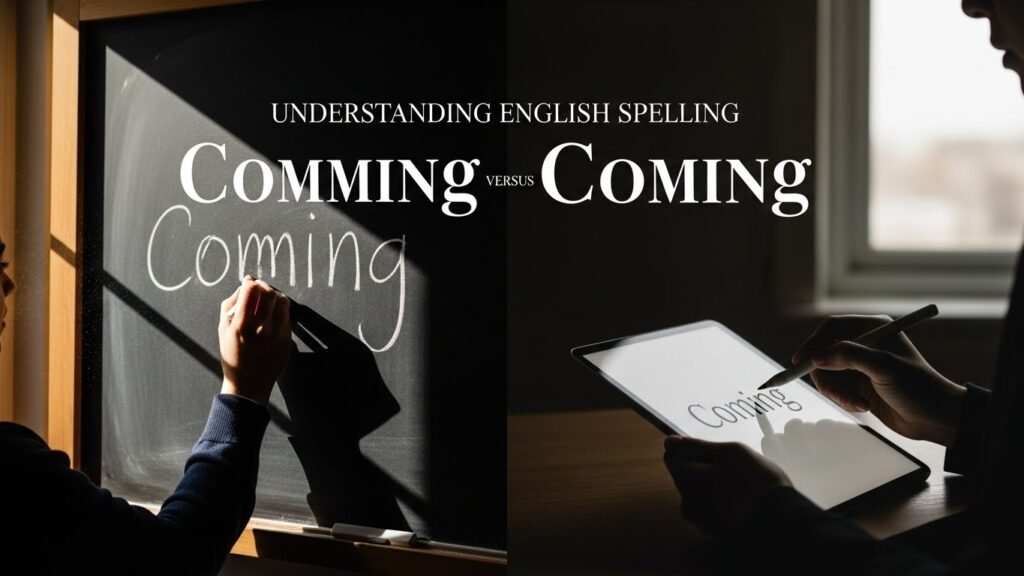
- English spelling rules help us choose coming over comming with confidence 😊.
- The word coming follows a simple pattern that removes confusion instantly 🌱.
- Learning correct spelling shows care for readers and respect for language 💖.
- The extra m in comming breaks standard English spelling rules 📘.
- Recognizing patterns builds trust in your writing voice 🤝.
- Spelling clarity strengthens emotional connection in communication 🌸.
- Understanding roots helps avoid repeating common mistakes 🧠.
- Correct spelling reflects attention and kindness to readers 💌.
- English favors simplicity in double consonant usage ✨.
- Practicing spelling improves friendship through clearer messages 👫.
- Awareness of errors supports learning without shame 🌈.
- Mastery grows from gentle repetition and patience 🕊️.
- Correct spelling builds confidence in personal and professional writing 🏆.
- Knowing the rule reduces anxiety while writing 🧘.
- Choosing coming improves readability and flow 📖.
Correct Spelling of Coming in Modern English
- The correct spelling coming uses one m in standard English rules ✔️.
- English drops the extra consonant when adding ing 🎯.
- Writing coming correctly shows mastery of spelling basics 📚.
- Readers instantly trust correctly spelled words 🤍.
- Coming appears in dictionaries and style guides worldwide 🌍.
- Correct spelling reduces misunderstandings in messages 💬.
- Using coming improves academic and professional writing 🏫.
- The word flows smoothly when spelled correctly 🎶.
- Proper spelling reflects care and emotional intelligence 💞.
- Coming connects actions to the present moment ⏰.
- Learning this rule saves time during editing ⏳.
- Correct usage supports clarity in storytelling 📖.
- Coming aligns with common English morphology 🧩.
- Writers gain confidence through correct spelling 💪.
- Small corrections create big improvements 🌟.
Why Comming Is a Common Spelling Mistake
- Comming feels natural because of pronunciation patterns 👂.
- Double consonants confuse many English learners 🤔.
- Spoken English often hides spelling rules 🗣️.
- Learners rely on sound instead of structure 🎧.
- Visual memory sometimes misleads spelling choices 👀.
- Stressful writing situations increase small errors 😰.
- Fast typing encourages repeated letters ⌨️.
- Social media habits reduce spelling awareness 📱.
- Autocorrect does not always save mistakes 🛠️.
- Learning rules reduces dependency on guessing 🧭.
- Understanding mistakes removes embarrassment 🌼.
- Mistakes show learning in progress 🌱.
- Gentle correction builds confidence 💗.
- Awareness transforms confusion into clarity 🔍.
- Practice slowly removes this common error 🐢.
Mastering the Rule Behind Coming Spelling
- The base verb come keeps one m before ing 🧠.
- English avoids doubling consonants after long vowels 📐.
- The e drops before adding ing smoothly ✂️.
- This rule applies to many similar verbs 📋.
- Learning patterns strengthens spelling memory 🧩.
- Rules provide comfort and predictability 🌤️.
- Understanding logic removes fear of mistakes 💙.
- Clear rules support consistent writing 📝.
- Repetition makes rules feel natural 🔄.
- Confidence grows when rules make sense 🌻.
- This rule improves overall English accuracy 🎓.
- Writers feel calmer when rules guide them 🧘♀️.
- Rules connect spelling to structure 🏗️.
- Mastery reduces editing stress 🛋️.
- Knowledge brings peace while writing 🕯️.
Coming Versus Comming in Daily Writing
- Daily writing improves awareness of correct spelling 🗒️.
- Using coming correctly builds professional trust 💼.
- Friends appreciate clear and careful messages 💬.
- Correct spelling avoids awkward explanations 🙈.
- Everyday practice strengthens spelling habits 🏃♂️.
- Writing emails feels smoother with correct spelling ✉️.
- Text messages gain clarity and warmth 💕.
- Correct spelling reflects personal growth 🌱.
- Daily use reinforces muscle memory 🧠.
- Writing confidently improves relationships 🤝.
- Clarity avoids emotional misunderstandings 🌈.
- Good spelling shows respect for readers 🎁.
- Coming fits naturally in daily sentences 🧩.
- Writing accuracy boosts self-esteem 🌟.
- Daily practice creates lasting improvement 🛠️.
Emotional Impact of Correct English Spelling
- Correct spelling makes readers feel valued 💖.
- Clear writing strengthens emotional bonds 🤍.
- Accuracy builds trust and credibility 🌉.
- Mistakes can distract from heartfelt messages 💔.
- Correct spelling lets emotions shine clearly ✨.
- Readers feel cared for through clarity 🌸.
- Writing well shows love for language 💞.
- Confidence in spelling reduces anxiety 🧘.
- Clear words support deeper understanding 🫶.
- Correct spelling honors shared communication 🤝.
- Writing accuracy supports emotional safety 🛡️.
- Clarity enhances storytelling and empathy 📖.
- Readers focus on meaning, not mistakes 🎯.
- Correct spelling nurtures mutual respect 🌺.
- Language becomes a bridge, not a barrier 🌈.
Learning English Spelling Patterns Like Coming

- Patterns simplify complex spelling rules 🧠.
- Learning patterns reduces memorization stress 🪶.
- Coming follows a predictable English pattern 📐.
- Pattern recognition boosts long-term retention 🧩.
- Familiarity creates comfort in writing 🌤️.
- Patterns help learners feel supported 🤗.
- Mastery grows through structured learning 🏗️.
- Patterns reduce fear of making mistakes 💙.
- Learning becomes enjoyable and calm 🎵.
- Consistency strengthens writing confidence 🌟.
- Patterns support faster learning 📈.
- Understanding structure empowers learners 💪.
- Predictable rules feel friendly and safe 🏡.
- Patterns connect words meaningfully 🔗.
- Learning patterns builds lasting skills 🛠️.
Teaching Coming Spelling to English Learners
- Gentle teaching builds learner confidence 🤍.
- Clear explanations reduce spelling anxiety 🌼.
- Using examples makes rules memorable 📚.
- Positive feedback encourages progress 🌈.
- Teaching rules with care shows kindness 💖.
- Learners thrive in supportive environments 🌱.
- Repetition helps rules stick 🧠.
- Visual aids improve understanding 👁️.
- Encouragement reduces fear of errors 🕊️.
- Simple language supports clarity 🪄.
- Patience strengthens teacher-student trust 🤝.
- Teaching patterns builds independence 🎓.
- Learning together fosters friendship 👫.
- Supportive correction nurtures growth 🌻.
- Teaching spelling becomes an act of care 💌.
SEO Importance of Correct Spelling Coming
- Search engines reward correct spelling usage 🔍.
- Coming matches user search intent accurately 🎯.
- Correct spelling improves content credibility 🏆.
- Misspellings reduce ranking potential 📉.
- Proper spelling supports NLP understanding 🤖.
- Search algorithms value clarity and accuracy 📊.
- Correct words improve user experience 🌐.
- Readers stay longer with clear content ⏱️.
- Accuracy boosts topical relevance 📌.
- Correct spelling aligns with 2025 SEO standards 🚀.
- Search engines favor readable content 📖.
- Spelling accuracy supports semantic richness 🧩.
- Clear language increases engagement 💬.
- Correct spelling builds digital trust 🔐.
- SEO success starts with small details 🌟.
Coming Spelling in Professional Communication
- Professional writing demands correct spelling 💼.
- Coming appears often in business emails ✉️.
- Accuracy builds workplace credibility 🏢.
- Correct spelling avoids misunderstandings 🤝.
- Clear writing reflects professionalism 🌟.
- Employers value attention to detail 🧐.
- Correct spelling improves first impressions 🎯.
- Professional tone grows from accuracy 📘.
- Writing clearly supports teamwork 🤝.
- Coming fits naturally in formal sentences 🧾.
- Accuracy reduces revision time ⏳.
- Correct spelling shows respect for colleagues 💖.
- Professional growth includes language mastery 📈.
- Writing well builds confidence at work 💪.
- Small spelling wins lead to career trust 🏆.
Common Sentences Using Coming Correctly
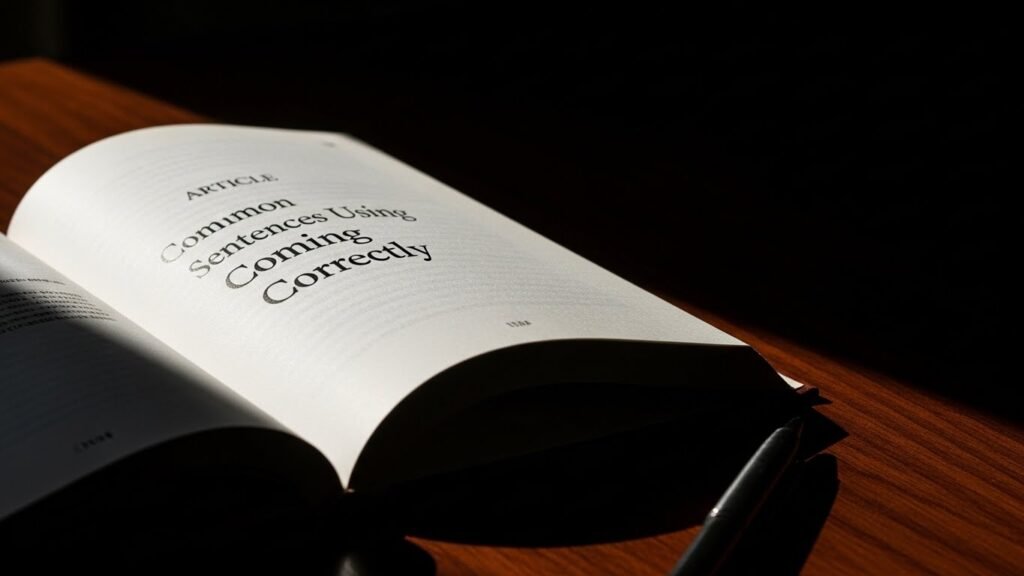
- I am coming home with love in my heart 🏡.
- She is coming soon to share joy 🌸.
- They are coming together as friends 🤗.
- He is coming prepared and confident 🎒.
- We are coming closer through communication 💞.
- The answer is coming clearly now 💡.
- Help is coming when you need it 🛟.
- Change is coming with hope 🌅.
- Understanding is coming step by step 🪜.
- Peace is coming through patience 🕊️.
- Success is coming with effort 🏆.
- Support is coming from loved ones 💌.
- Growth is coming through learning 🌱.
- Comfort is coming through clarity 🛋️.
- Confidence is coming naturally 🌟.
Overcoming Fear of English Spelling Mistakes
- Fear fades with understanding 💙.
- Mistakes show learning in action 🌱.
- Gentle practice builds courage 🧡.
- Supportive feedback reduces anxiety 🌼.
- Spelling confidence grows slowly 🐢.
- Acceptance encourages progress 🤗.
- Learning becomes joyful without fear 🎈.
- Errors guide improvement 🧭.
- Confidence rises with every correction 📈.
- Safe learning spaces matter 🏡.
- Self-kindness supports growth 💞.
- Fear blocks learning less when rules are clear 🔓.
- Practice transforms worry into ease 🌤️.
- Courage grows through repetition 💪.
- Mastery replaces fear with calm 🧘.
Building Confidence Through Correct Coming Usage

- Confidence grows with correct spelling 🌟.
- Clarity strengthens self-expression 💬.
- Writing well feels empowering 💪.
- Correct usage reduces hesitation 🛑.
- Confidence improves communication quality 🌈.
- Mastery supports creative freedom 🎨.
- Writing becomes enjoyable again 🎵.
- Clear spelling reflects inner calm 🕯️.
- Confidence builds trust with readers 🤝.
- Correct spelling supports fluent writing 🏃♀️.
- Comfort grows with familiarity 🌤️.
- Confidence improves academic success 🎓.
- Mastery brings peace of mind 🧘♂️.
- Clear writing supports emotional expression 💖.
- Confidence shines through accuracy ✨.
Final Thoughts on Mastering English Spelling Coming
Learning the difference between comming or coming is more than a spelling lesson; it is a journey of patience, care, and self-respect. Each correct word you write becomes a small act of love toward your reader and yourself.
With understanding, practice, and kindness, English spelling stops feeling scary and starts
feeling friendly.
Let this mastery remind you that growth happens gently, and every step forward matters.
FAQs
What is the correct spelling, comming or coming?
The correct spelling is coming, and it follows standard English spelling rules.
Why do people often spell coming as comming?
People rely on pronunciation, which can make the word sound like it needs two m letters.
Is comming ever correct in English?
No, comming is considered a spelling error in standard English.
How can I remember the correct spelling of coming?
Remember that the base word come drops the e and keeps one m before adding ing.
Does correct spelling of coming help with SEO?
Yes, correct spelling improves readability, user trust, and search engine understanding.